
Cortisol, The Stress Hormone Every Woman Should Know About
Balance, energy, hormones & the art of living well
Because balance is the new luxury.
There are days when you wake up already tired. Your mind feels crowded, your body tense, your energy scattered. You push through on coffee and willpower — again. What many women don’t realize is that behind this constant state of “on” often stands one powerful hormone: cortisol.
Cortisol is often called the stress hormone. But in truth, it is so much more. It is your body’s natural survival messenger. It wakes you up in the morning, helps you handle pressure, fuels your energy and keeps your internal systems in motion.
Yet when cortisol stays elevated for too long, it slowly starts working against you — stealing your sleep, softening your mood, storing fat around your waist and draining your feminine vitality.
At FemmVoyage, we believe that true wellness begins with understanding your body. So let’s gently unravel the fascinating world of cortisol — in a way that feels light, empowering and real.
In the world of health and wellness, few hormones are as talked about – and as misunderstood – as cortisol. Often labeled simply as “the stress hormone,” cortisol is actually a powerful and essential messenger in the female body.
So what exactly is cortisol? Why does it matter so much for women? And how can we gently guide it back into balance? Welcome to the fascinating world of this powerful hormone.
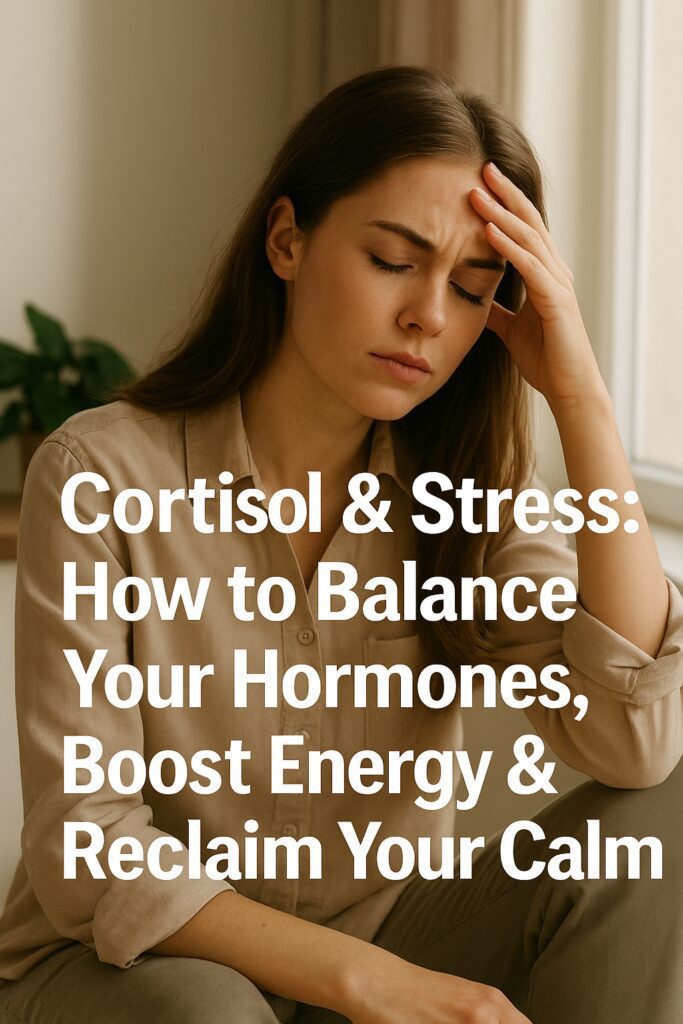

These facts make one thing clear: cortisol is far more than a stress hormone. It is a master regulator that helps your body function smoothly during both calm and challenging moments.
5 Fascinating Facts About Cortisol – The Body’s Stress Hormone
- Cortisol is a traveling messenger
Once released, cortisol flows through your bloodstream, delivering instructions from your brain to organs and tissues throughout your body when you experience stress. - It follows a natural daily rhythm
Cortisol naturally rises before dawn to help you wake up alert and energized. It slowly declines throughout the day and reaches its lowest point in the evening, preparing your body for rest. - It’s not just about stress
Cortisol supports metabolism, blood pressure regulation, immune response, and even the release of milk during breastfeeding. - Short bursts can be helpful – chronic elevation is harmful
A brief cortisol spike boosts energy and immunity in the short term. But constantly high levels can weaken immunity, promote abdominal fat storage, and negatively affect mood and energy. - It helps your body access energy
Cortisol triggers your liver to release glucose and helps convert fats and proteins into usable energy during demanding situations.
What Is Cortisol?
Cortisol is a steroid hormone produced by the adrenal glands, which sit like little hats on top of your kidneys. It belongs to a group of hormones called glucocorticoids and plays a key role in countless physiological processes.
Beyond stress, cortisol regulates:
Metabolism
Immune function
Blood pressure
Blood sugar levels
The sleep–wake cycle
Simply put: without cortisol, your body would not be able to adapt to life.
Cortisol in Real Life – What It Actually Does
Think of cortisol as your internal alarm system. The moment your body senses stress — whether it’s physical, emotional or mental — cortisol steps in to help you cope.
It:
- Releases quick energy from glucose
- Regulates your metabolism
- Influences your immune system
- Helps control inflammation
- Supports your natural day–night rhythm
In the early morning, cortisol rises to gently wake you up. In the evening, it should soften, allowing rest to take over. That natural rhythm is where your balance lives.
5 Beautifully Simple Facts About Cortisol
- Cortisol travels through your bloodstream like a messenger, delivering instructions from your brain to your body.
- It follows your inner clock — highest in the morning, lowest at night.
- It’s not just a stress hormone; it also supports blood pressure, immunity and metabolism.
- Short cortisol peaks are healthy — but chronic stress keeps it constantly high.
- It helps your body turn fat, protein and sugar into usable fuel.
In short: cortisol is not your enemy. It is your protector — until life becomes too loud.
Cortisol & the Female Hormonal Orchestra
Your hormones move like an orchestra. Estrogen, progesterone, thyroid hormones — and right in the center: cortisol. When cortisol is out of tune, the entire melody shifts.
For women, imbalanced cortisol often shows up as:
Exhaustion that sleep doesn’t fix
Emotional sensitivity or anxiety
Weight gain around the belly
PMS, cycle irregularities or hormonal swings
Brain fog and low motivation
Especially during premenopause, pregnancy and menopause, cortisol sensitivity increases. Your body becomes more responsive to stress, both physically and emotionally.
When Stress Becomes a Lifestyle
In ancient times, stress came in short waves — danger appeared, cortisol rose, danger passed, cortisol dropped.
Today, stress never truly leaves:
Deadlines. Notifications. Emotional load. Overthinking at night. Performing during the day.
Your cortisol stays elevated. Quietly. Constantly.
And that’s where symptoms begin to whisper.
Signs Your Cortisol May Be Out of Balance
- You wake up tired
- You feel wired but exhausted
- You crave sugar, caffeine or salty foods
- You gain weight without clear reason
- Your sleep feels light or broken
- Your mood feels fragile
- Your immunity drops
Your body always speaks — we simply have to listen
What Happens When Cortisol Is Too High or Too Low?
High Cortisol
Often linked to chronic stress:
Persistent belly fat
High blood pressure
Shallow sleep
Anxiety and mood swings
Weakened immune system
Low Cortisol
Often linked to long-term exhaustion:
Deep fatigue
Dizziness
Low blood pressure
Muscle weakness
Salt cravings
Both ends of the spectrum deserve loving medical guidance.

How Cortisol Is Created in Your Body
When your brain senses stress, it activates a beautiful internal communication loop known as the HPA-axis. Within seconds, your adrenal glands release cortisol into your bloodstream.
It’s your body saying:
“I’ve got you. I’ll help you handle this.”
The problem only begins when “this” never stops.
The FemmVoyage Way to Balance Cortisol
Balance doesn’t come from force. It comes from rhythm.
Here are six gentle yet powerful rituals that support healthy cortisol levels:
1. Sleep as a Sacred Ritual
7–9 hours of quality sleep is non-negotiable for hormonal balance. Put your phone away. Dim the lights. Let your nervous system soften.
2. Move With Love, Not Punishment
Walking, Pilates, yoga, horseback riding, swimming — movement should calm your system, not exhaust it.
3. Eat to Stabilize
Choose foods rich in:
Magnesium, vitamin C, B-vitamins, healthy fats and protein.
Avoid constant sugar spikes and caffeine overload.
4. Breathe Before You React
Deep breathing, meditation and slow moments activate your parasympathetic nervous system — the state where cortisol naturally lowers.
5. Limit Stimulants
Too much coffee, sugar and alcohol keeps your stress hormones switched on long after they should rest.
6. Connect
Laughter, touch, conversation, shared silence. Connection lowers cortisol instantly. You are not meant to do life alone.

When to Seek Medical Support
Always consult a doctor when you experience:
- Unexplained weight gain or loss
- Chronic fatigue
- Persistent sleep problems
- High blood pressure
- Emotional instability without clear cause
Testing cortisol is simple and non-invasive through blood, saliva or urine.
FemmVoyage Daily Cortisol Rituals
Small rituals. Big impact.
- Begin your morning with water and sunlight
- Create phone-free moments
- Journal your thoughts instead of carrying them
- Allow yourself to slow down without guilt
True luxury is a regulated nervous system.
The Soft Truth
Cortisol is not here to harm you.
It is here to protect you.
But protection should feel temporary — not permanent.
When you learn to soften your pace, nourish your body and honor rest, cortisol gently returns to balance. And with it, your feminine energy, your clarity, your glow.
In Essence
Cortisol is a master hormone.
A silent conductor of your energy, mood, weight, sleep and resilience.
You don’t need to fight it.
You just need to listen to it — and live in a way that allows it to rest.

Nicole
Thanks for joining us!
For reading and visiting FemmVoyage! I’m Nicole, a proud single mom to my 13-year-old daughter, Day. Together, we’re navigating the adventures of single motherhood, work-life balance, and everything in between.We’re a dynamic duo bud also facing the ups and downs of single motherhood, and all the adventures life has to offer. From family travels and weekend getaways to crafting,home decor, gardening, cooking, and fashion, I love sharing our journey with you.
At FemmVoyage, I inspire other busy moms, women, travel lovers, foodies, and home enthusiasts with practical tips, stories, and creative ideas, personal stories, and lots of fun ideas. So Whether you’re a single mom like me, how loves decorating your home and garden, or just looking for fresh inspiration, you’re in the right place and will find something here to spark your joy. Let’s make every moment count whether we’re on a trip or decorating our backyard!
Let’s explore life together.
Follow our journey on social media
Check out this post you may enjoy!



Stay inspired with our top travel picks


Where the art of sport inspires us all.


