
WILDLIFE CONSERVATION · KENYA · NAIROBI
Sheldrick Wildlife Trust Nairobi: Kenya’s Elephant Orphanage
One hour with Kenya’s orphaned elephants may become the most meaningful moment of your entire African journey.
The Place in Nairobi That Will Change How You See the World
Inside the Sheldrick Wildlife Trust — Kenya’s most extraordinary conservation story, and the experience no conscious traveller should miss.
The First Moment
There is a moment — and you will know it when it comes — when a baby elephant locks eyes with you, trunk swinging, mud on its knees, and every itinerary you carefully planned suddenly feels entirely beside the point. This is what the Sheldrick Wildlife Trust does to you. Not gradually. Immediately.
Tucked inside Nairobi National Park, just minutes from one of Africa’s most dynamic capital cities, the Sheldrick Wildlife Trust Nursery is not a zoo, not a photo opportunity, and not a tourist attraction in any conventional sense. It is a working sanctuary — a place where orphaned baby elephants and rhinos are rescued, rehabilitated, and eventually returned to the wild.
For travellers who believe that the finest journeys leave a mark beyond the passport stamp — this is that experience.
Some journeys change your itinerary Others change your heart.
A Legacy of Love and Loss
The David Sheldrick Wildlife Trust was founded in 1977 by Dame Daphne Sheldrick, in memory of her husband David — the pioneering warden of Tsavo National Park and one of Kenya’s most revered conservationists. After decades of research and heartbreak, Dame Daphne became the first person in the world to successfully hand-raise newborn elephants, cracking the complex formula for their milk and understanding, with profound intuition, their emotional needs.
Since those early days, the Trust has rescued and rehabilitated over 270 orphaned elephants — animals that lost their mothers to poaching, drought, human-wildlife conflict, or natural causes. Each one is named, known, and deeply cared for by a team of dedicated keepers who sleep beside them at night, forming bonds that mirror the tight family structures of wild elephant herds.
Today the Trust operates across Kenya, running anti-poaching units, aerial surveillance, community outreach, and habitat protection programs across millions of acres. The Nairobi Nursery is where every rescue story begins — and where visitors can witness, firsthand, what genuine wildlife conservation looks like.
WHY THIS MATTERS FOR THE WORLD RIGHT NOW
Kenya’s elephant population has recovered significantly thanks to decades of conservation work — from a low of around 16,000 in the 1980s to over 36,000 today. The Sheldrick Wildlife Trust is a significant part of that story. But the threats are not gone. Poaching, habitat loss, and increasing human-wildlife conflict continue to pressure elephant populations across East Africa. Every visit, every donation, every foster adoption directly funds the work that keeps these numbers moving in the right direction.
What It Means to Rescue an Elephant
Each elephant arrives with a story.
Some are found alone in the bush. Some are brought in after their mothers were lost to poaching, drought or human-wildlife conflict. Some are so weak they can barely stand.
Here, they are given milk, warmth, protection — and something even more powerful: love.
Keepers sleep beside them at night. They become their family. The bond is real. And the results are extraordinary.
Plan your visit
Everything You Need to Know Before You Visit
Where is the Sheldrick Wildlife Trust located?
The nursery is located inside Nairobi National Park, accessed via the KWS Magadi Gate, also known as the Workshop or Mbagathi Gate, in Nairobi, Kenya.
What are the opening hours?
The public visit takes place daily from 11:00 AM to 12:00 PM. It lasts one hour only and is open every day except 25 December.
How much is the entry donation?
The entry donation is approximately USD 20 per person for both adults and children, paid directly to Sheldrick Wildlife Trust staff on arrival.
Are Nairobi National Park fees included?
No. KWS park fees are separate and paid directly to Kenya Wildlife Service. Pre-paying online is recommended to avoid delays at the gate.
Do I need to book in advance?
Yes. Pre-booking is required and strongly recommended, as spaces can fill up weeks in advance. Book via the official Sheldrick Wildlife Trust website.
Can foster parents visit privately?
Yes. Foster parents of a specific elephant may be able to attend a private afternoon visit. Foster adoptions start from USD 50 per year.
How do you get there from central Nairobi?
A private driver-guide is recommended. Allow around 45 to 60 minutes from central Nairobi, depending on traffic. Leave no later than 9:30 AM.
Some journeys stay with you forever.
Visit the Official Sheldrick Wildlife Trust Website
For bookings, foster adoptions, elephant stories and the latest visitor information, go directly to the official website.
Visit Official WebsiteA Quiet Note
Foster a Future
Foster an elephant from just USD 50 per year and become part of their journey. You’ll receive updates, photos and the joy of knowing you are helping fund their care, protection and return to the wild.
gifts you can give.
What Actually Happens During Your Visit
Arrive a little early. The gate opens at 11:00 AM sharp, and the atmosphere in those first moments — when the elephants come thundering out of the forest toward their midday mud bath and milk bottles — is something you do not want to miss.
The visit unfolds in an open exhibition space where the baby elephants move freely. Keepers — many of whom have worked with the Trust for years — narrate each animal’s story. You will hear names: Roho, Kindani, Ziwadi. You will learn how they were found, how old they were, what they needed to survive. Some arrived weighing less than a hundred kilos, dehydrated and in shock. Some lost their mothers days before they arrived.
The elephants are not sedated, not restrained, not performing. They play, they squabble, they roll in the mud with the abandon of children let loose on a rainy day. The keepers move among them quietly, bottles of formula in hand, knowing each animal’s personality, each one’s quirks. It is, without exaggeration, one of the most moving wildlife encounters on the African continent.
“The keepers sleep beside these elephants at night. They become, quite literally, their family. That bond is visible in every interaction — and it is impossible not to feel it.”
What It Means to Rescue an Elephant
Each elephant arrives with a story.
Some are found alone in the bush. Some are brought in after their mothers were lost to poaching, drought or human-wildlife conflict. Some are so weak they can barely stand.
Here, they are given milk, warmth, protection — and something even more powerful: love.
Keepers sleep beside them at night. They become their family. The bond is real. And the results are extraordinary.
THE NUMBERS BEHIND THE MISSION
Understanding the scale of the Sheldrick Wildlife Trust’s work puts a single nursery visit into broader perspective:
270+ elephants rescued and rehabilitated since 1977
Millions of acres of Kenya habitat protected through anti-poaching operations
36,000+ elephants now in Kenya — up from a low of ~16,000 in the 1980s
24/7 keeper care, including keepers sleeping overnight with infant elephants
Multiple field units operating aerial surveillance and rapid response across Kenya
Every entry donation and foster adoption directly funds this work. Tourism, done consciously, is conservation.
Why This Is the Perfect Mother–Daughter Experience in Africa
At FemmVoyage, we believe travel is most powerful when it teaches something that a classroom cannot. The Sheldrick Wildlife Trust does this in a single hour.
For kids of any age — from ten to twenty-five — watching a keeper bottle-feed an orphaned elephant, hearing its rescue story, understanding the human commitment behind its survival, opens a conversation about empathy, wildlife, and our responsibility to the natural world that continues long after you leave Nairobi.
These are the experiences that shape values, not just memories.
Elephant family structures are matriarchal. They are led by the oldest, wisest female — a grandmother figure whose knowledge of migration routes, water sources, and safe havens keeps the entire herd alive. There is something quietly profound about witnessing that parallel when you are standing beside your own daughter, watching a baby elephant learn to trust again.
This is two generations of storytelling, in the most literal sense.
Luxury Stays Near the Sheldrick Wildlife Trust
A visit to the Trust pairs beautifully with Nairobi’s finest properties — several of which include conservation experiences as part of their offering. These are the stays we recommend for the discerning FemmVoyage traveller:
CURATED STAYS
Where to Stay
From legendary safari hotels to intimate boutique hideaways, Nairobi offers a collection of remarkable stays just moments from the Sheldrick Wildlife Trust. Perfect for extending your conservation experience in comfort and style.
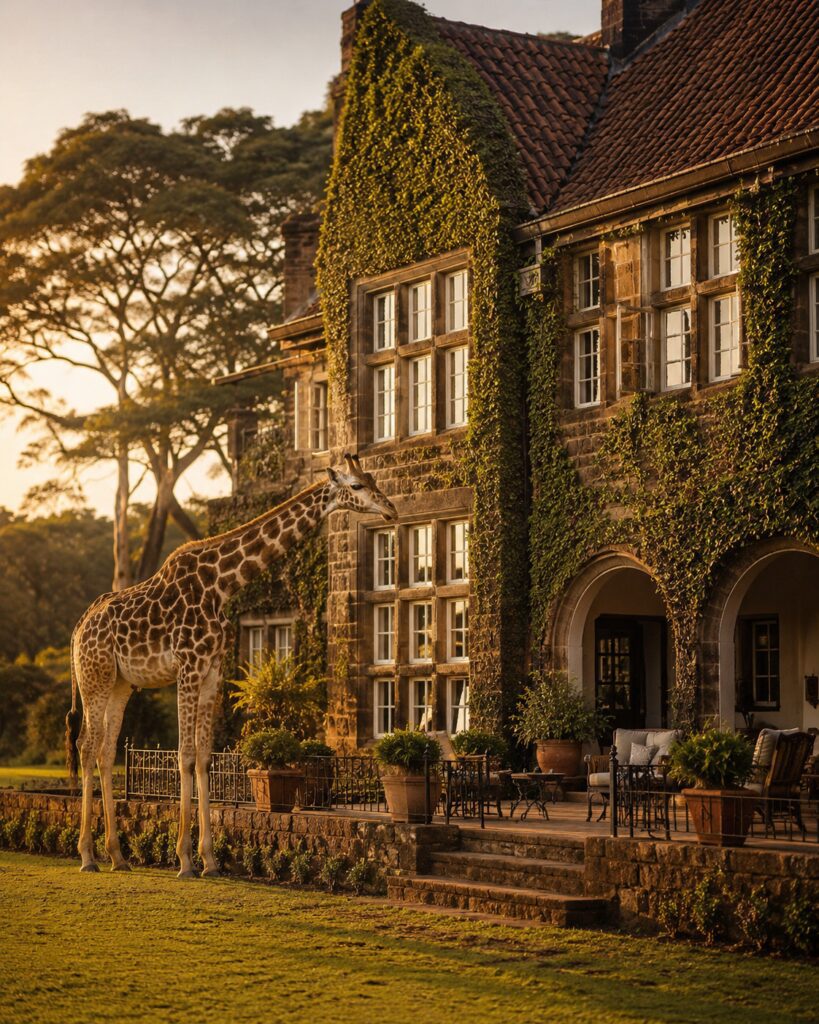
Giraffe Manor
Historic charm, elegant hospitality and the world-famous giraffe breakfast experience make this one of Kenya’s most extraordinary places to stay.
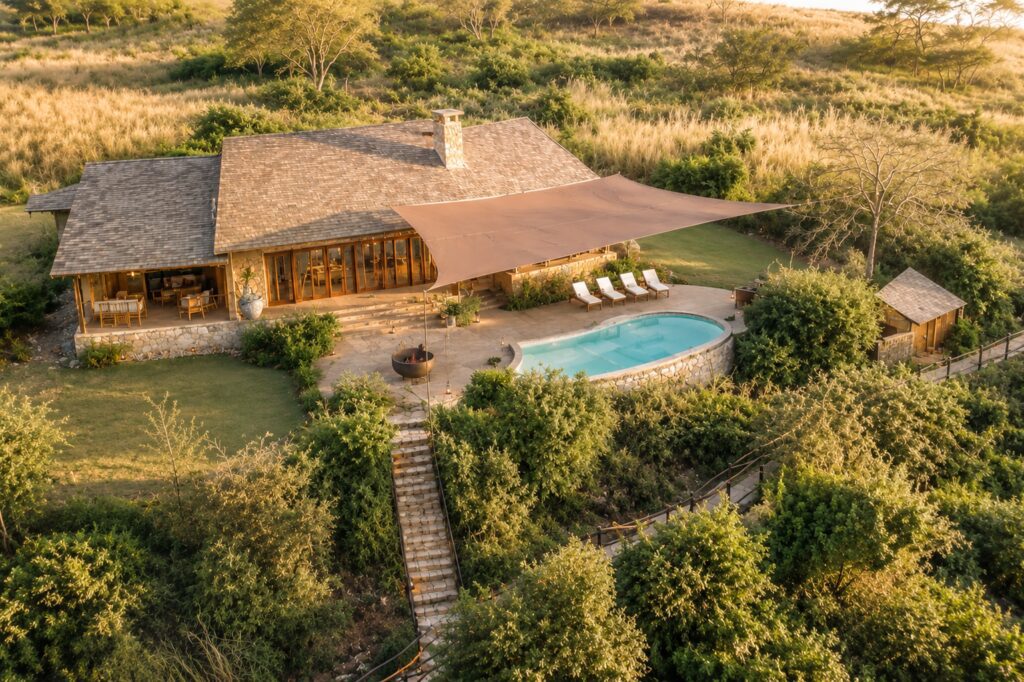
The Emakoko
Nestled between forest and savannah, The Emakoko feels worlds away from Nairobi. An intimate luxury lodge where wildlife encounters begin the moment you arrive.
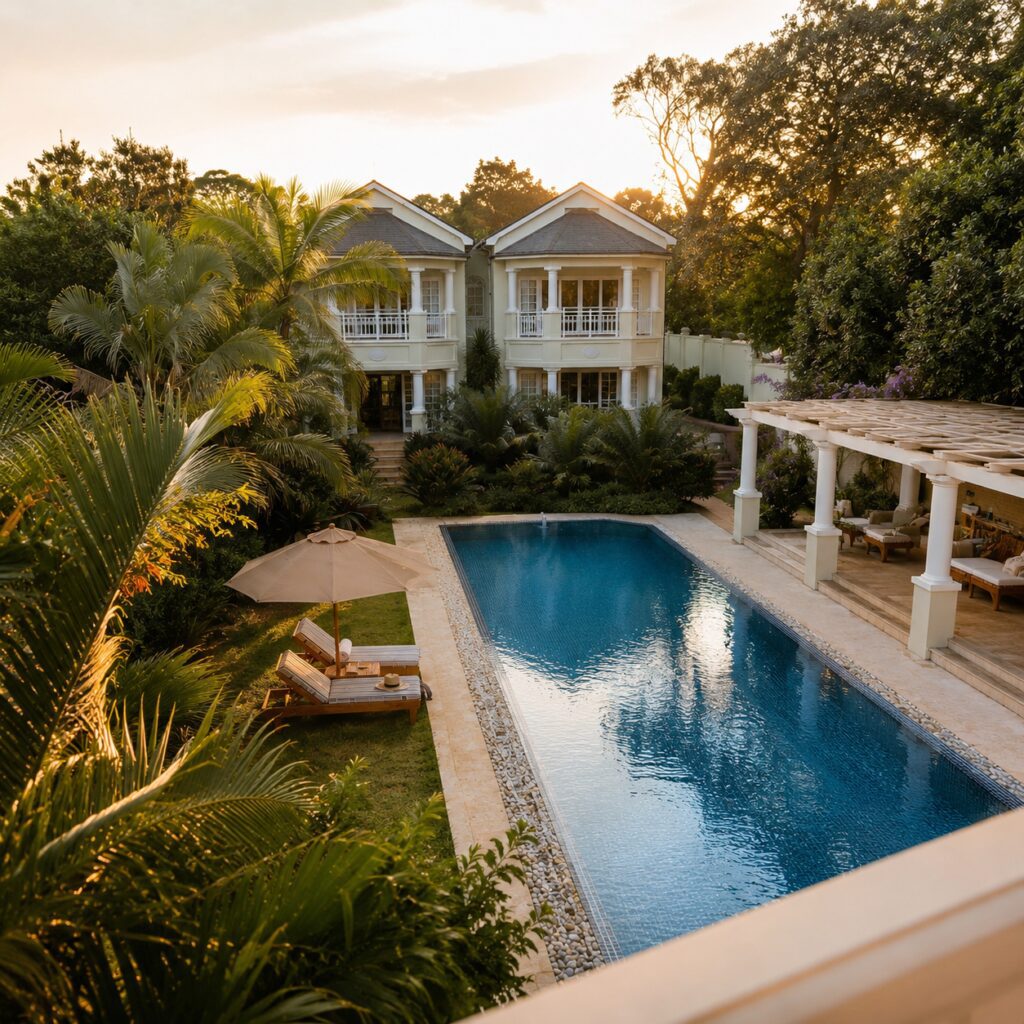
Hemingways Nairobi
Timeless elegance, tropical gardens and refined luxury just moments from Nairobi’s leading conservation experiences.
Kenya: So Much More Than a Safari
The Sheldrick Wildlife Trust is one chapter of what Kenya offers the conscious luxury traveller. From the great migration in the Masai Mara to the pristine marine world of Lamu Archipelago, from the flamingo-fringed shores of Lake Nakuru to the snow-capped peaks of Mount Kenya — this is a country that rewards those who look beyond the surface.
At FemmVoyage, Kenya is firmly on our editorial horizon. We are currently in conversation with the Kenya Tourism Board to bring you a full, immersive editorial campaign — covering the country’s finest conservation lodges, wildlife experiences, and the kind of hidden stories that rarely make it into mainstream travel media.
If you want to be the first to know when that content drops — and receive our curated guide to planning a luxury conservation journey in Kenya — join the FemmVoyage Journal below.
FemmVoyage Journal
Kenya Is Coming to FemmVoyage
Be the first to receive our full Kenya conservation travel guide — and every story we tell from the wild places of this world.
Why should I join the FemmVoyage Journal?
Journal subscribers receive destination guides, wildlife stories, conservation features and exclusive travel inspiration before it is published anywhere else.
What Kenya content is coming next?
Expect in-depth guides to Nairobi, elephant conservation, safari experiences, luxury lodges, hidden gems and practical travel advice for conscious travellers.
Can I visit the Sheldrick Wildlife Trust myself?
Absolutely. The Sheldrick Wildlife Trust remains one of the most meaningful conservation experiences in Africa.
